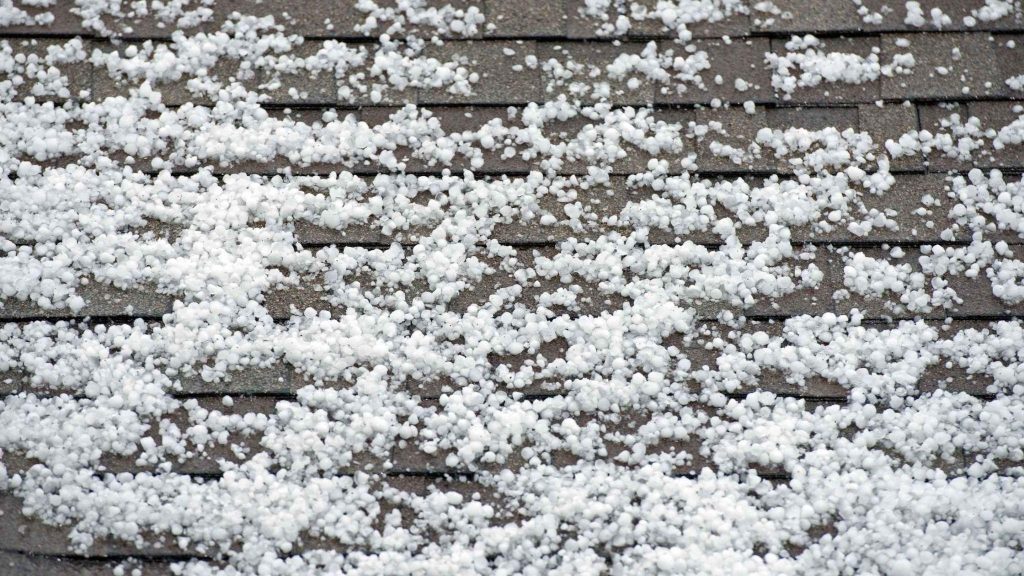
One of the most devastating events for homeowners, especially those with a brand-new roof, is hail. It’s easy to assume that a new roof is indestructible. However, severe hail can rapidly alter that perception.
This blog contains everything you need to know about hail damage, how to spot it, what steps to take, and how to move forward with repairing or replacing your roof after it’s been totaled by hail.
What Is the Impact of Hail on a New Roof?
Incredible as it sounds, some hailstones are as large as golf balls or even softballs. When these stones hit your roof, the impact is immense, significantly, the hailstorm is prolonged. For a brand-new roof, you might expect it to withstand minor weather conditions. Unfortunately, that’s not always the case. Here’s why:
- Roofing Materials Still Settling: Even new roofs need time to settle. Roofing materials like shingles can take some time to bond or fully settle into their optimal position. During this period, they might not be as resistant to damage as a more established roof.
- Hail Size & Velocity: Larger hailstones and high-speed winds can cause severe damage. When hailstones pelt your roof at speeds exceeding 100 mph, it doesn’t matter if your roof is newly installed. It’s at risk.
- Ice Accumulation and Granule Loss: The outer granules serve a protective function for asphalt shingles. Hail can strip off those granules, leaving the shingles vulnerable to UV damage. When granules are lost, the shingles degrade faster, potentially shortening the life of your roof.
Identify Hail Damage on Your Roof with These 4 Common Signs
You don’t have to be a roofing expert to identify damage—though it certainly helps to have one by your side. Here you have the 4 most common signs of a roof with hail damage:
- Dents and Dings: Check for visible indentations on shingles or flashing. These marks should stand out for newer roofs because they will be more distinct than the typical wear and tear on an older roof.
- Granule Loss: Inspect your gutters or downspouts for shingle granules that have washed off during a rainstorm. Granule loss is a key indicator that the hail has damaged the shingles and your roof’s protective layer has been compromised.
- Cracks in Shingles: If hailstones were large or numerous enough, they could cause the shingles to crack, split, or even break entirely. This is especially common with synthetic or laminate shingles.
- Leaks and Water Damage: After the storm has passed, check for leaks inside the house. WWatermarkson ceilings or walls could indicate that hail has caused a breach in the roof, leading to internal damage.
Immediate Steps to Take After Hail Damage
To ensure your insurance claim goes smoothly, you have to act quickly. Follow these steps:
- Document the Damage: Use your phone or camera to capture all visible signs of destruction. This is vital for your insurance claim and gives you a visual record of the damage before any repairs are made.
- Assess the Safety: Don’t risk going up on the roof unless you are sure it’s safe. Some damage may not be visible from the ground, and your roof may have sustained hidden damage that could pose a safety risk.
- Contact Your Insurance Provider: Alright, now that you have taken photos and videos of the damage, it is time to contact your homeowner’s insurance company to initiate the claims process. It’s essential to be clear and specific about what happened. Your insurance agent will likely send an adjuster to inspect the roof.
- Call a Professional Roofer: Contact a reliable, licensed roofing company after contacting your insurance. A professional roofer will assess the total extent of the hail damage and provide you with a detailed estimate for repair or replacement. You’ll want to ensure the roofing company has experience working with insurance claims. At this stage
Insurance and Roofing Warranty Considerations
Understanding your insurance policy and any warranties that come with the roof is essential.
Some insurance companies have specific clauses related to weather events, and your roof’s manufacturer might have particular conditions for warranty claims based on storm damage.
Be sure to go over your policy to understand your coverage limits and deductibles. Most of the time, your insurance will cover the replacement cost. However, in other instances, you may be responsible for the complete or a portion of the expenses.
You Can’t Stop Hailstorms, But You Can Take Steps To Minimize Their Impact On Your Roof. Here’s How:
- Upgrade Your Roofing Materials: Consider upgrading to hail-resistant shingles or materials if you live in an area prone to severe storms. These materials are designed to withstand larger hailstones without sustaining significant damage.
- Regular Roof Inspections: Inspect your roof regularly to ensure it remains in optimal condition. Proactive maintenance can help catch minor issues before they become significant problems.
- Install Impact-Resistant Gutters: Protecting your roof means caring for the entire system. Adding impact-resistant gutters or reinforcing flashing can reduce the overall risk of damage.
Ready to Take Control of the Situation?
It can be overwhelming to deal with hail damage, mainly when it affects a brand-new roof.
But with the right approach and a knowledgeable roofing professional, you can navigate the claims process and get your roof back in shape.
The most important thing is not to wait too long—quick action is key to protecting your home, family, and investment.
If you require the assistance of a professional roofer to assess your situation and manage all the details involved, Brothers Construction III Corp is the right choice for you. Just give us a call, and you can rest assured that your roofing needs are in expert hands.